
Korean Stretching Exercises Full Body: The Complete Guide for Flexibility, Mobility & Martial Arts Performance


Korean stretching exercises are globally known for improving flexibility, dynamic mobility, and full-body strength. Rooted in traditional Korean martial arts like Taekwondo, Hapkido, and Tang Soo Do, these stretches focus on loosening tight muscles, increasing kick height, improving balance, and preparing the body for powerful techniques.
Whether you're a martial artist, athlete, fitness enthusiast, or someone who wants a stronger and more flexible body, Korean stretching offers one of the most effective full-body routines in the world.
This guide covers the best Korean stretching exercises, their benefits, step-by-step instructions, and a complete routine you can follow daily.
What Makes Korean Stretching Unique?
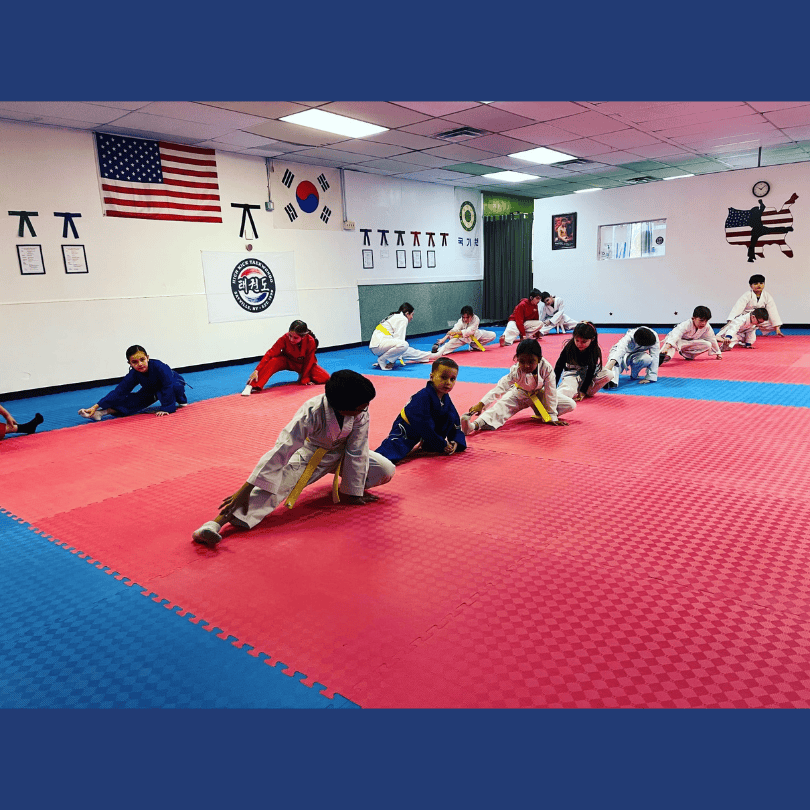

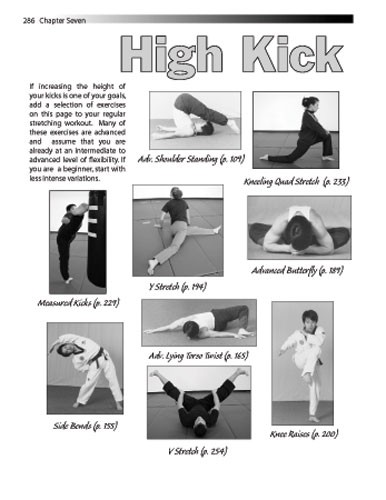
Korean stretching is designed to support explosive martial arts movements such as:
High kicks (Ap Chagi, Dollyo Chagi, Yop Chagi)
Jump kicks
Fast footwork
Deep stances
Smooth transitions
These stretches focus on the legs, hips, spine, core, and shoulders, which are essential for mobility and speed.
Key Features of Korean Stretching
Uses dynamic kicks and rotations
Emphasizes hip mobility
Strengthens while stretching
Improves balance and posture
Enhances explosive kicking power
Benefits of Korean Full Body Stretching
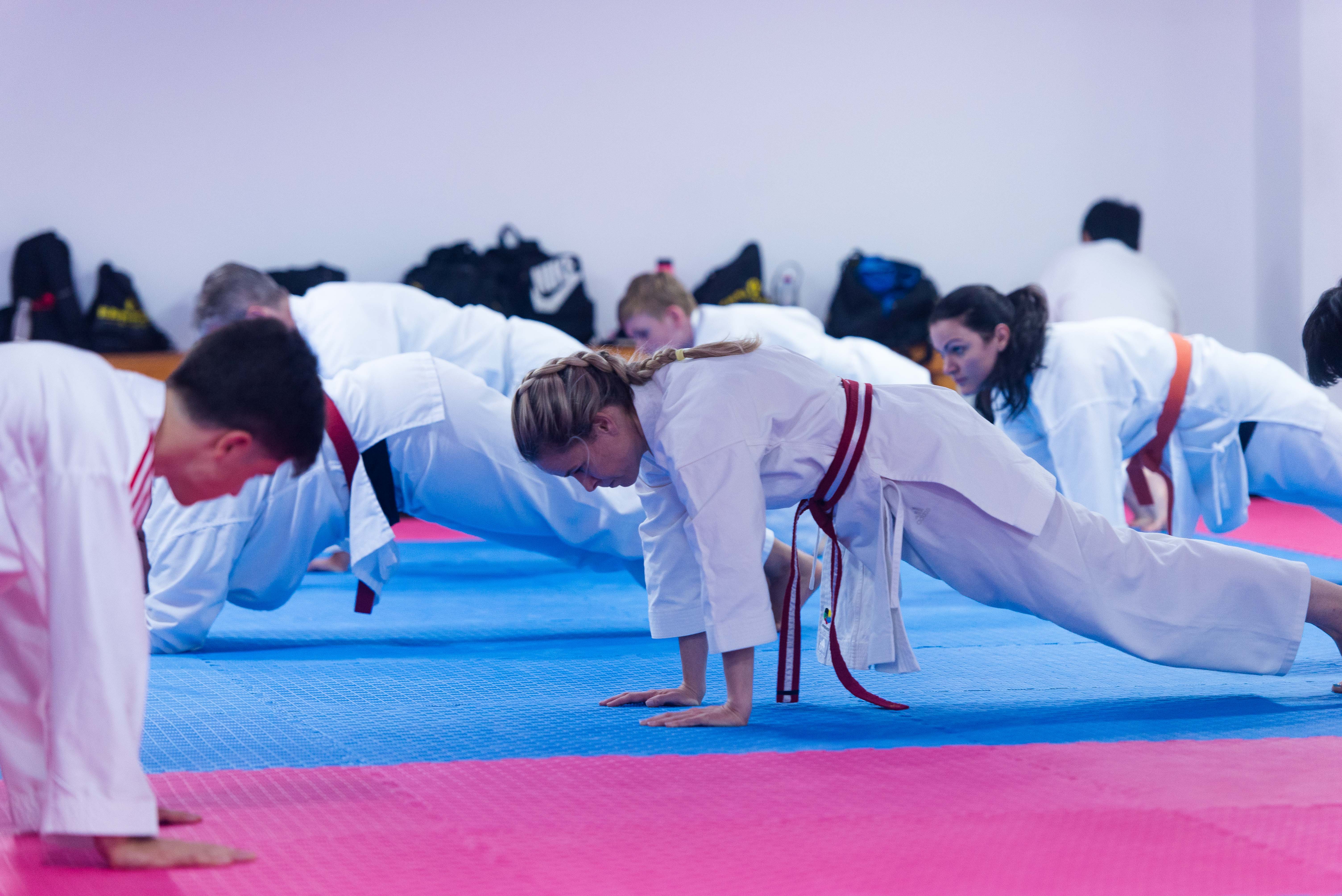
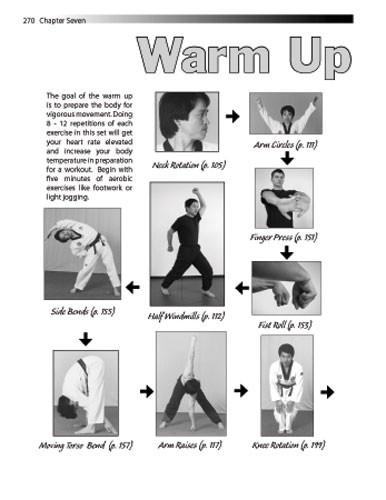
Korean stretching improves:
Flexibility for high kicks
Mobility for smooth movement
Balance for strong stances
Strength in hips and legs
Coordination for faster techniques
Recovery after intense training
Posture and core stability
It is one of the fastest ways to develop flexible, powerful legs and a mobile upper body.
Best Korean Full Body Stretching Exercises
Below are the top Korean stretching exercises used in Taekwondo and other Korean martial arts.
1. Korean Neck Mobility Stretch

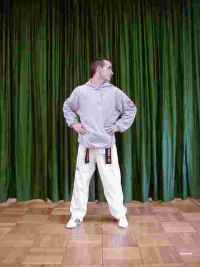
How to Perform
Rotate head in a full circle
Move slowly and controlled
10 rotations each side
Benefits
Reduces stiffness
Improves reaction time
Helps during sparring
2. Korean Shoulder Rotation
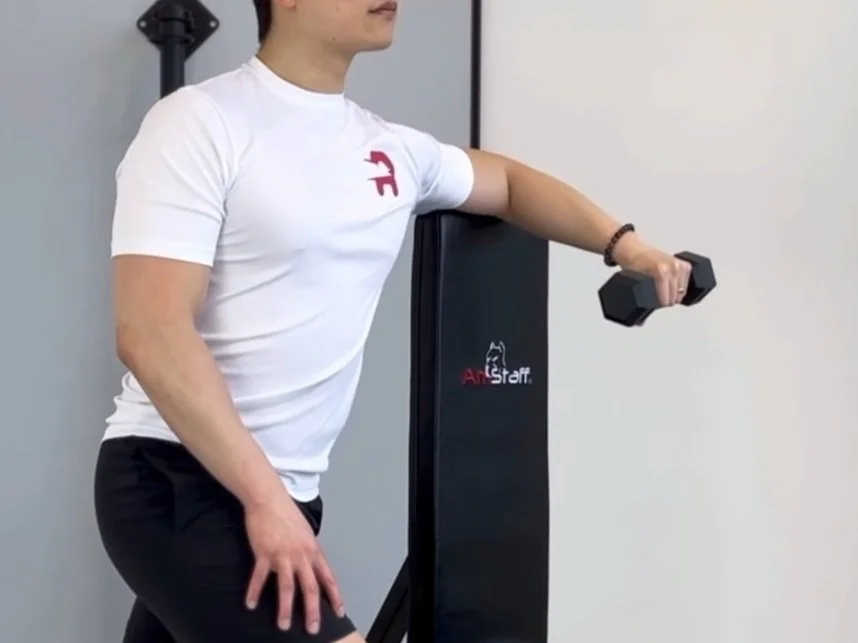

How to Perform
Roll shoulders forward 20 times
Roll backward 20 times
Benefits
Improves punching speed
Reduces upper-body tension
Enhances posture
3. Korean Arm Stretch & Lock

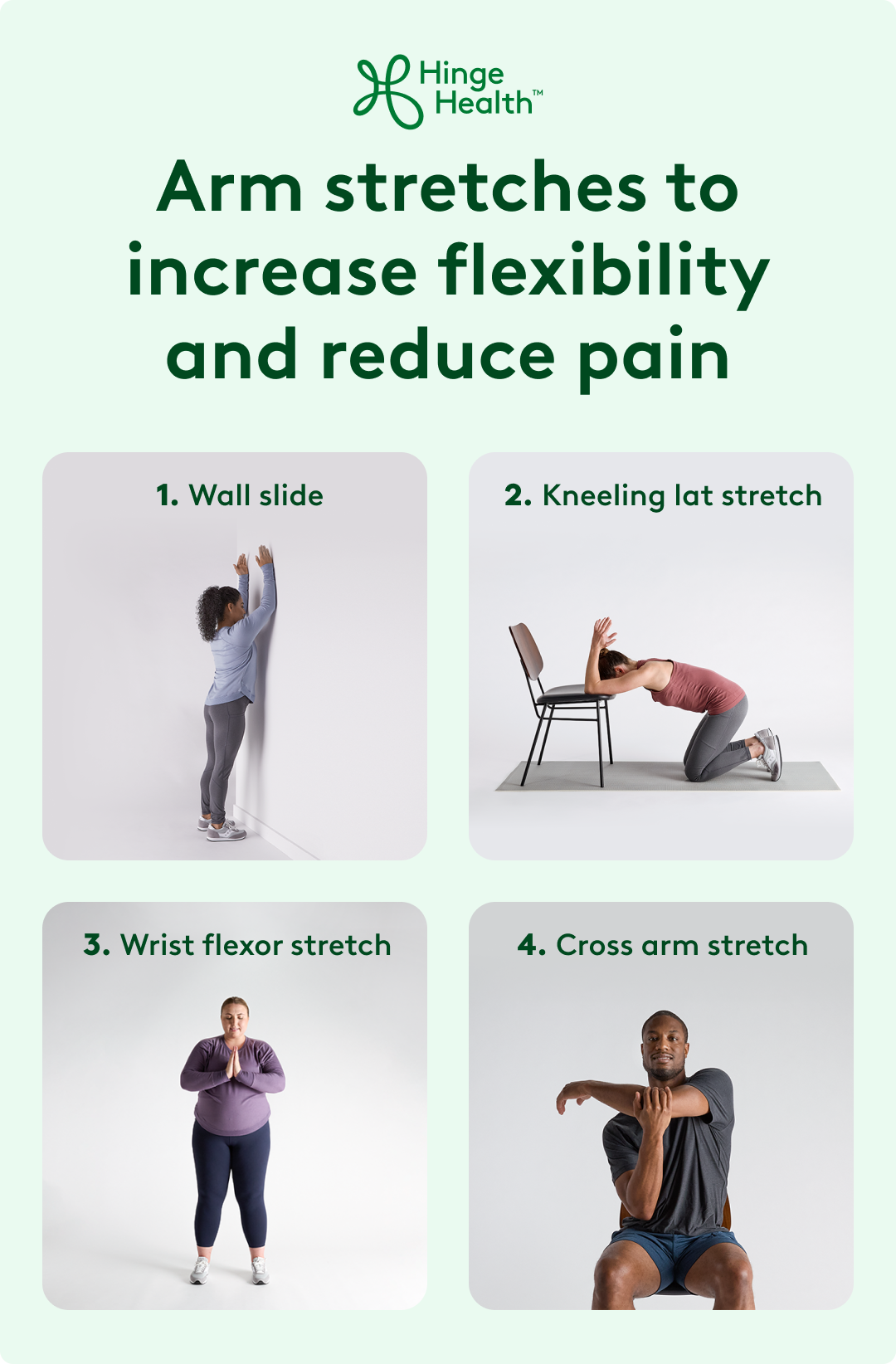
How to Perform
Bring one arm across chest
Hold with the other arm
20–30 seconds
Benefits
Strengthens shoulder mobility
Reduces tightness from striking
4. Korean Spinal Twist Stretch
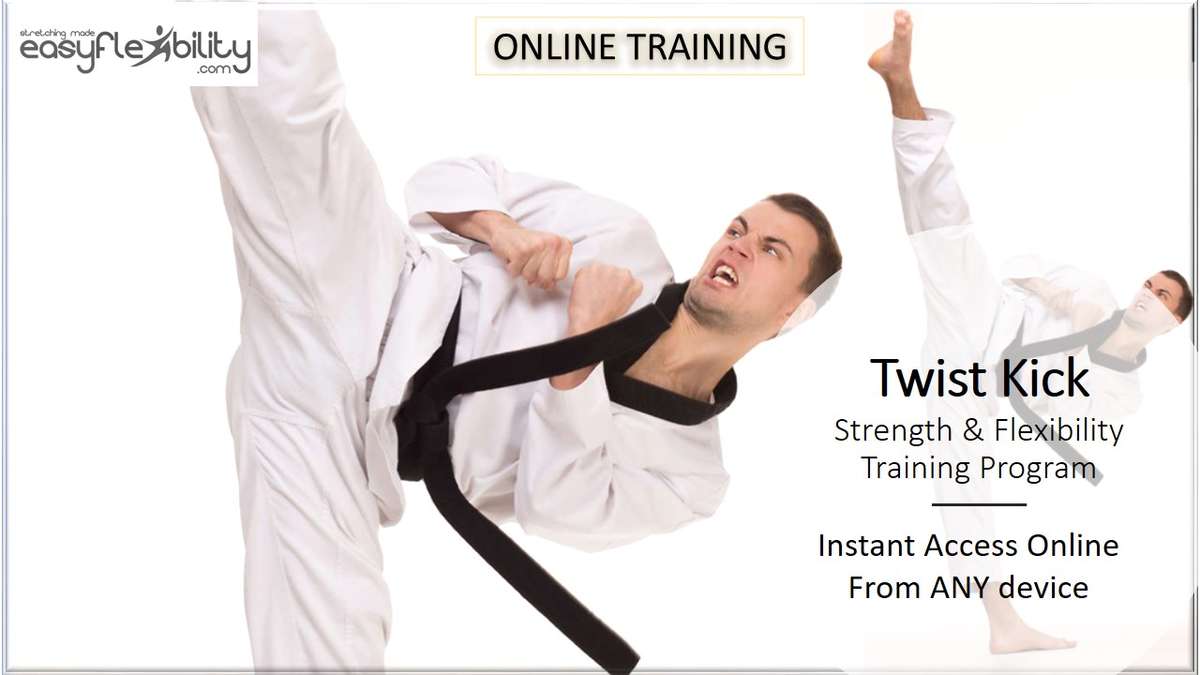
How to Perform
Sit with one leg extended
Twist torso slowly
Hold 20 seconds each side
Benefits
Improves rotation for kicks
Reduces back stiffness
5. Korean Hip Circle Stretch

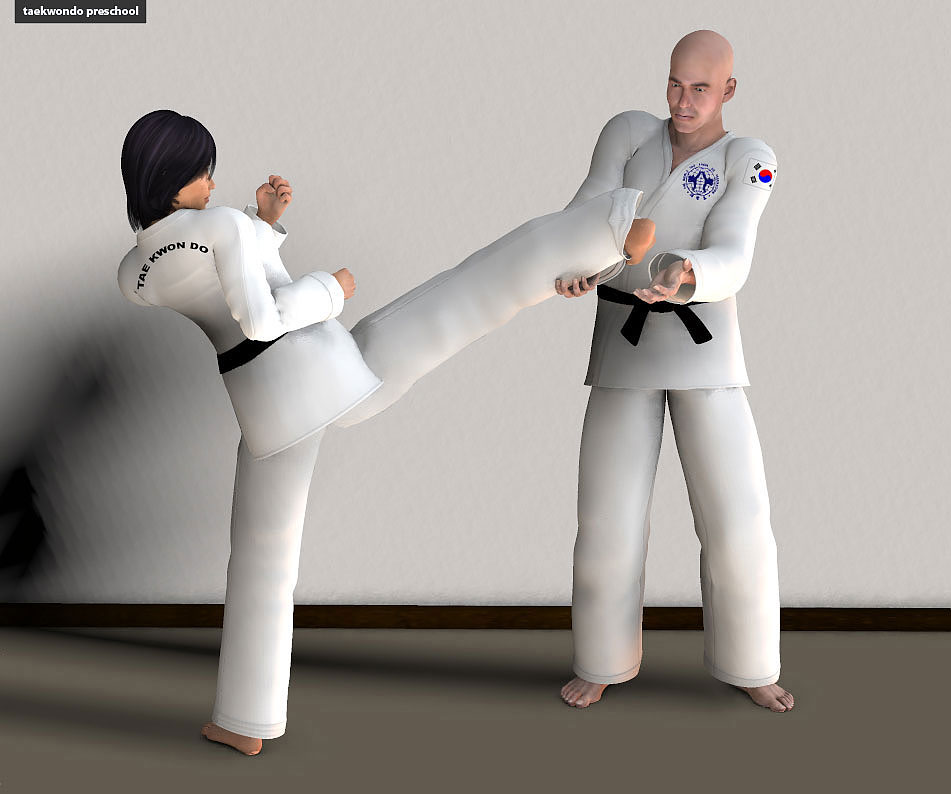
How to Perform
Stand straight
Draw large circles with hips
15 rotations each direction
Benefits
Crucial for roundhouse and side kicks
Opens hip joints
6. Korean Front Leg Swing
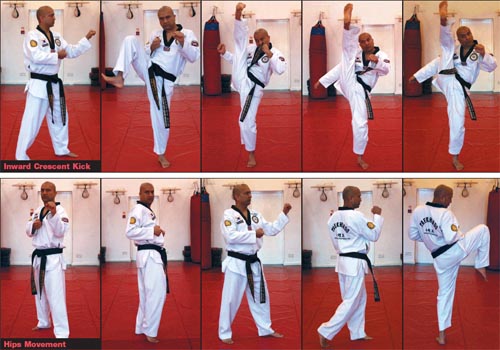
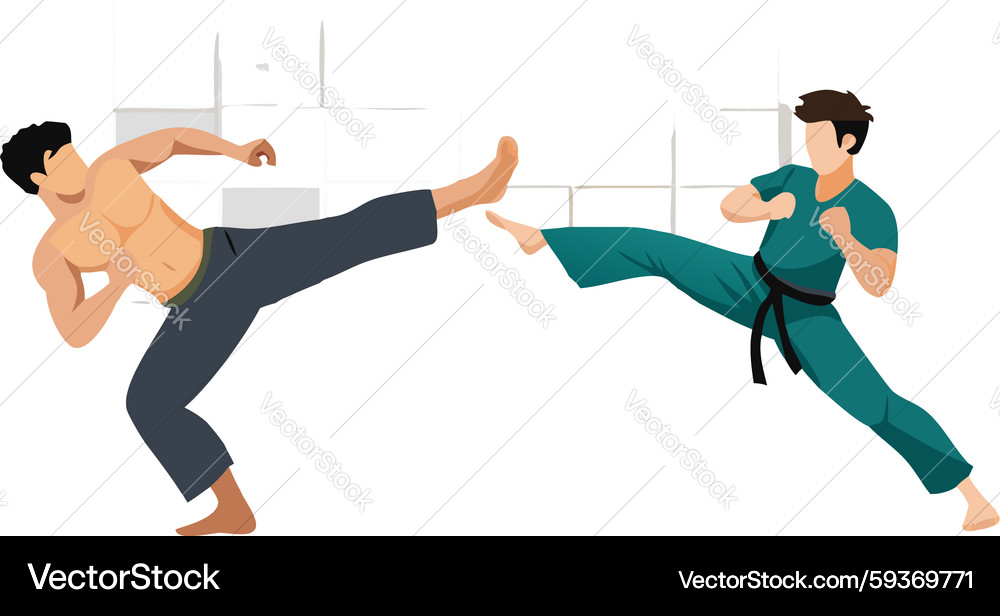
How to Perform
Swing leg forward and backward
Keep knee straight
15–20 swings per leg
Benefits
Boosts kick height
Warms up hamstrings and hips
7. Korean Side Leg Swing


How to Perform
Swing leg sideways
Keep hips square
15–20 reps
Benefits
Improves Yop Chagi
Strengthens abductors
8. Korean Lunge & Hip Flexor Stretch
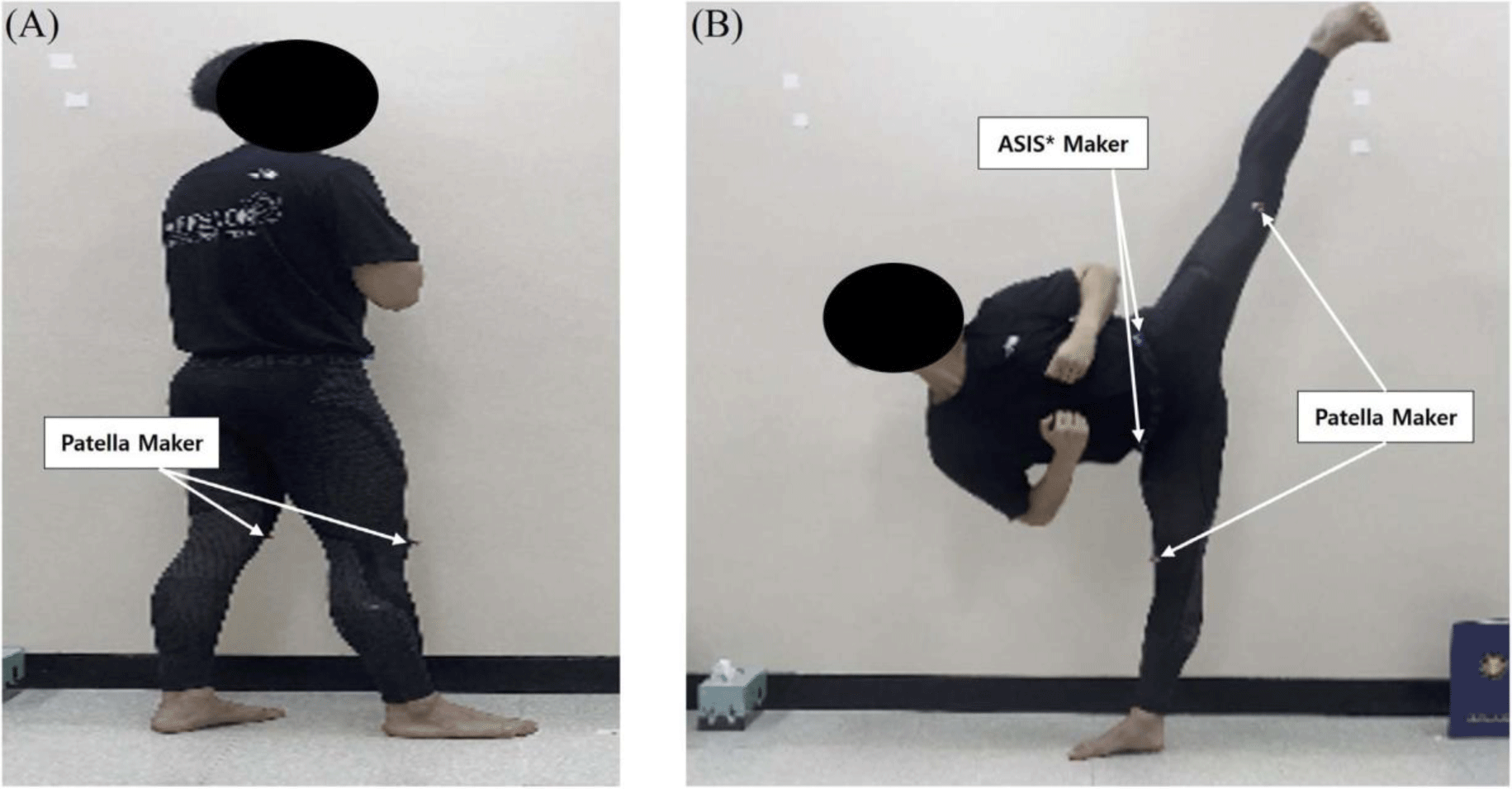
How to Perform
Move into deep lunge
Push hips forward
Hold 20–30 seconds
Benefits
Essential for front kicks
Increases hip flexibility
9. Korean Butterfly Stretch
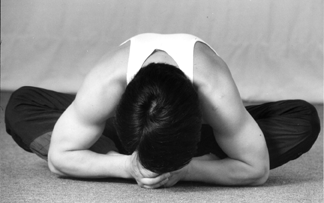

How to Perform
Sit with feet together
Gently push knees downward
Hold 30–40 seconds
Benefits
Loosens groin muscles
Helps with splits
10. Korean Hamstring Flexibility Stretch
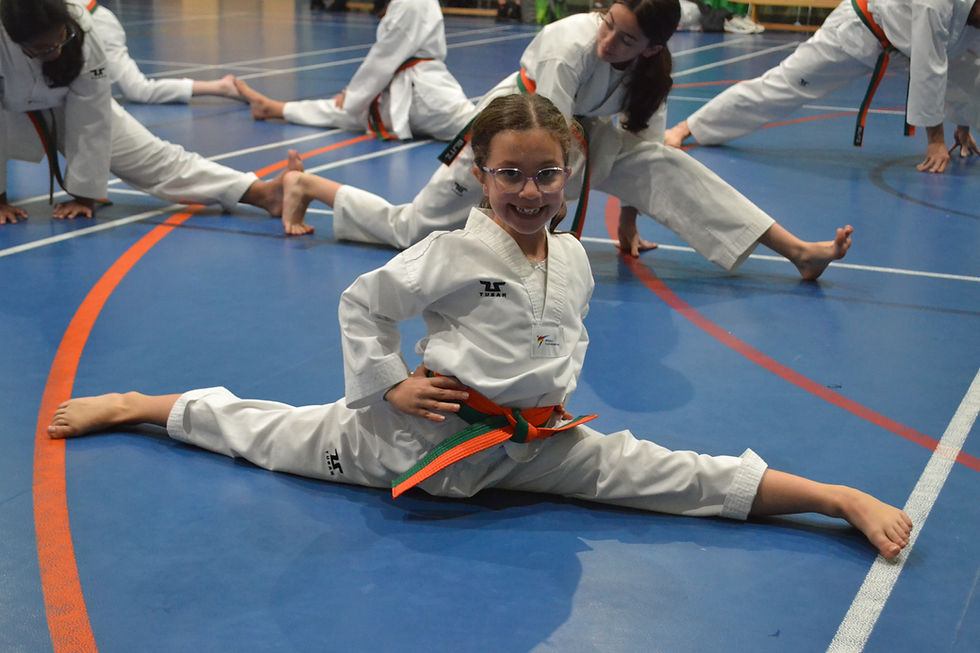
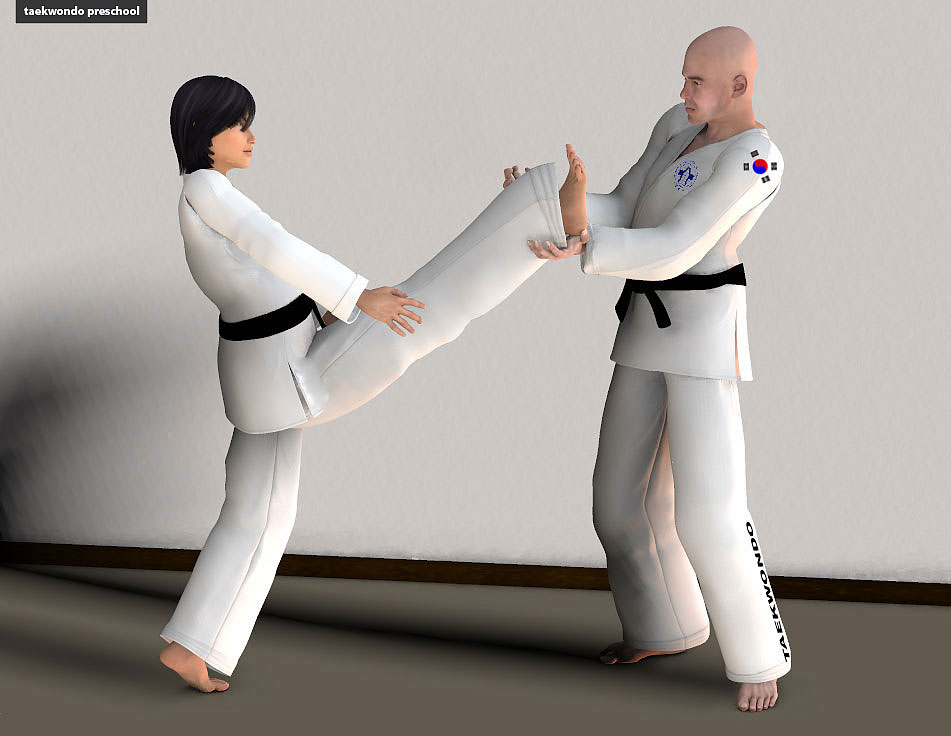
How to Perform
Sit with legs extended
Reach forward
Hold 30–40 seconds
Benefits
Improves front kicks
Reduces lower back strain
11. Korean Side Split Stretch
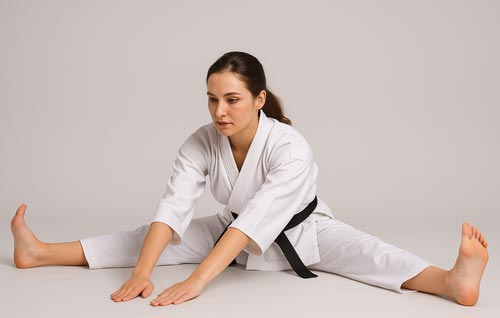

How to Perform
Spread legs wide
Lower hips gently
Hold 20–30 seconds
Benefits
Supports high side kicks
Strengthens groin and hips
12. Korean Front Split Stretch
How to Perform
One leg forward, one backward
Lower slowly
Hold 20–30 seconds
Benefits
Essential for axe kicks & jump kicks
13. Korean Calf Stretch

How to Perform
Place foot on wall
Lean forward
Hold 20 seconds
Benefits
Improves footwork
Supports balance and stance
Complete Korean Full Body Stretching Routine (15–20 Minutes)
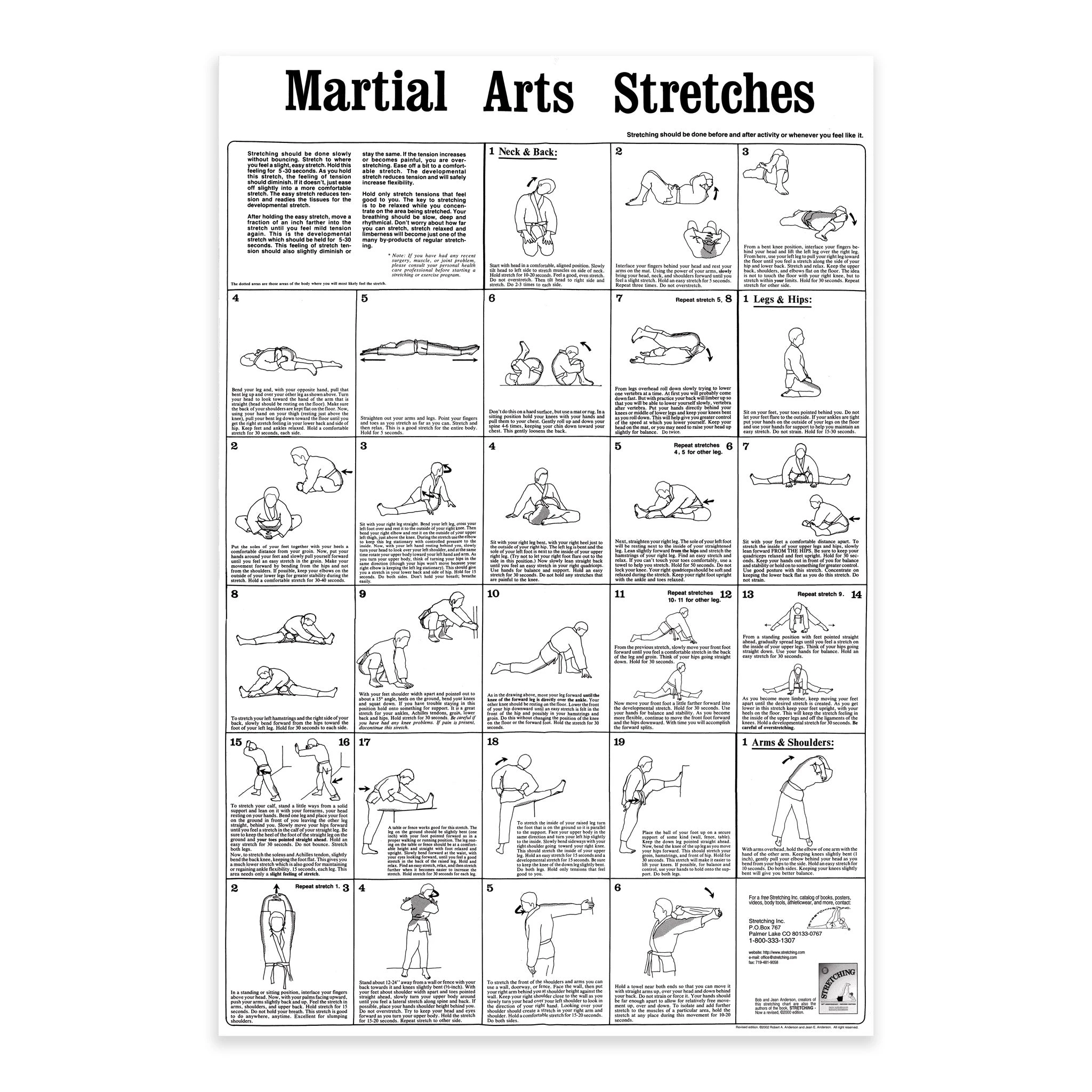
Follow this routine before and after martial arts practice.
Pre-Training Dynamic Routine (5–7 Minutes)
Neck mobility – 20 sec
Shoulder rotations – 20 sec
Hip circles – 20 sec
Leg swings front – 15 each
Leg swings side – 15 each
Dynamic front kicks – 10 each
Knee raises – 20
This prepares the body for explosive Korean martial arts movements.
Post-Training Static Routine (10–12 Minutes)
Butterfly stretch – 40 sec
Hamstring stretch – 40 sec
Hip flexor stretch – 30 sec
Front split stretch – 30 sec
Side split stretch – 30 sec
Calf stretch – 30 sec
Spine twist – 30 sec
Chest opener – 20 sec
Neck stretch – 20 sec
This helps improve long-term flexibility and reduces soreness.
How Korean Stretching Improves Martial Arts Performance
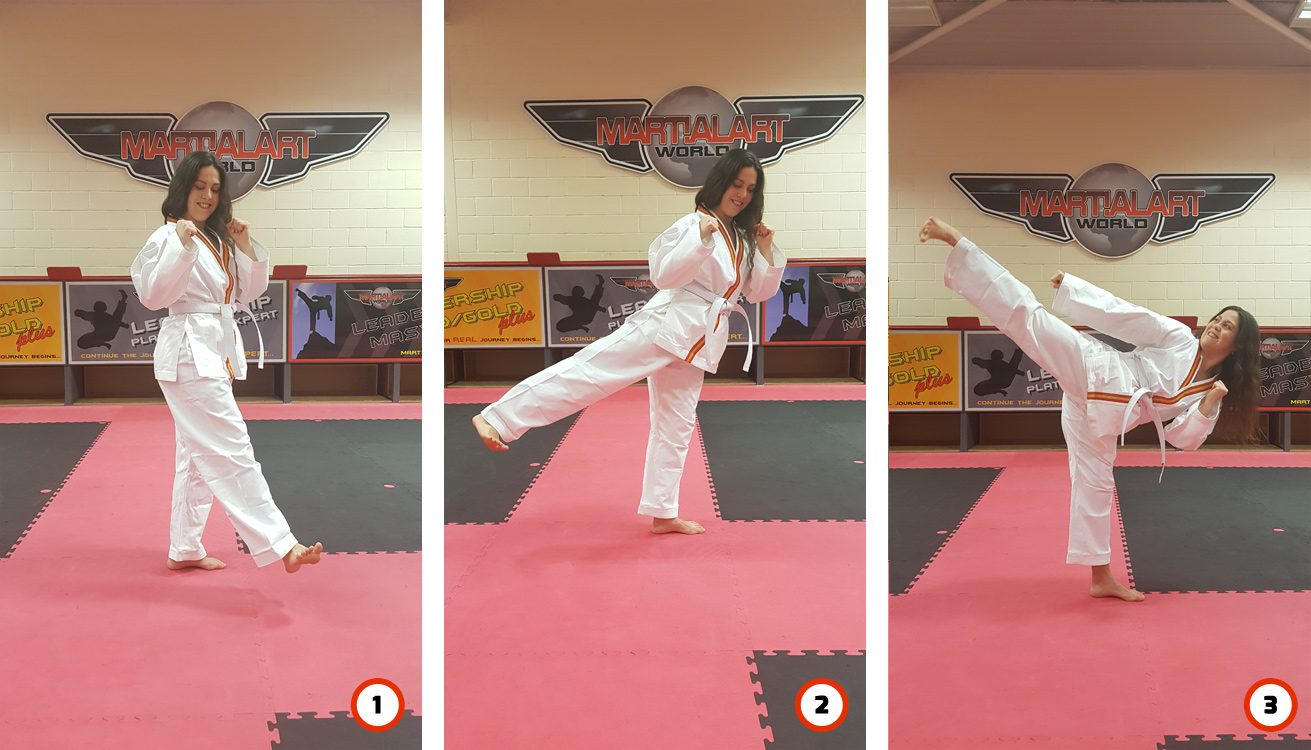
1. Higher, Faster Kicks
Korean martial arts are kick-heavy—flexibility is essential.
2. More Powerful Hip Rotation
Better mobility equals stronger strikes.
3. Smoother Movement & Footwork
Helps in sparring, kata, and conditioning.
4. Improved Balance & Stability
Especially useful for spinning and jump kicks.
5. Reduced Risk of Injury
Flexible muscles handle impact and strain better.
Common Mistakes to Avoid
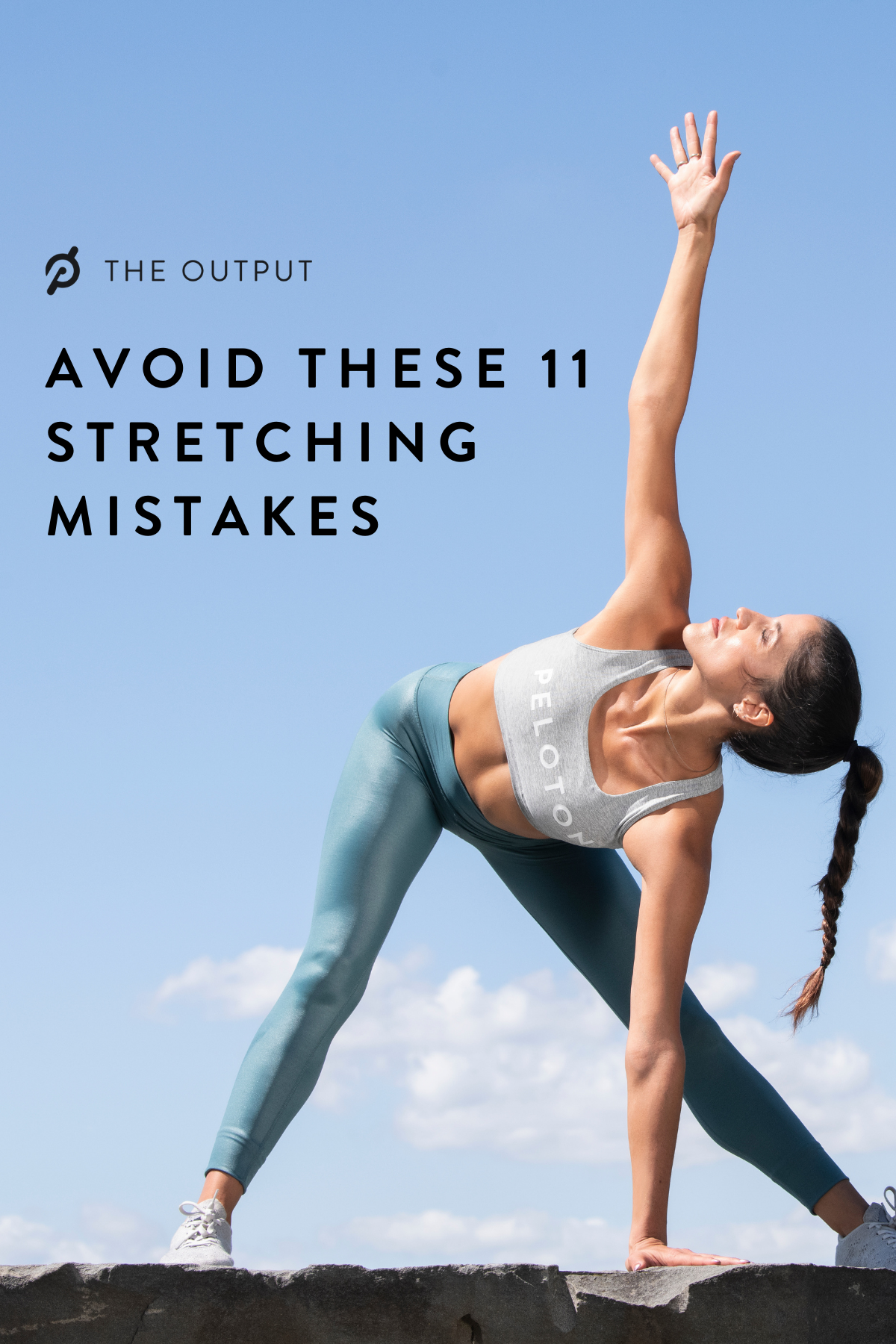
Stretching without warm-up
Bouncing during static stretches
Forcing splits
Stretching too fast
Skipping post-training cool-down
Poor breathing
Correct technique ensures safe progress.
Tips to Improve Flexibility Faster Korean Style
Stretch daily 10–15 minutes
Hold static stretches at least 30 seconds
Combine stretching with slow kicks
Strengthen hips and core
Drink plenty of water
Warm up before deep flexibility work
Consistency is the key.
Conclusion
Korean full-body stretching is one of the most effective ways to improve flexibility, kick height, posture, and overall martial arts performance. These exercises are used by Taekwondo and Hapkido practitioners worldwide to develop elite-level mobility and power.
By practicing the stretches and routines in this guide, you’ll develop a stronger, more flexible, and more dynamic body—ready for high kicks, fast movements, and powerful techniques.


0 Comments
Post a Comment