
Is Karate Japanese or Chinese? The Complete History, Origins & Evolution of Karate


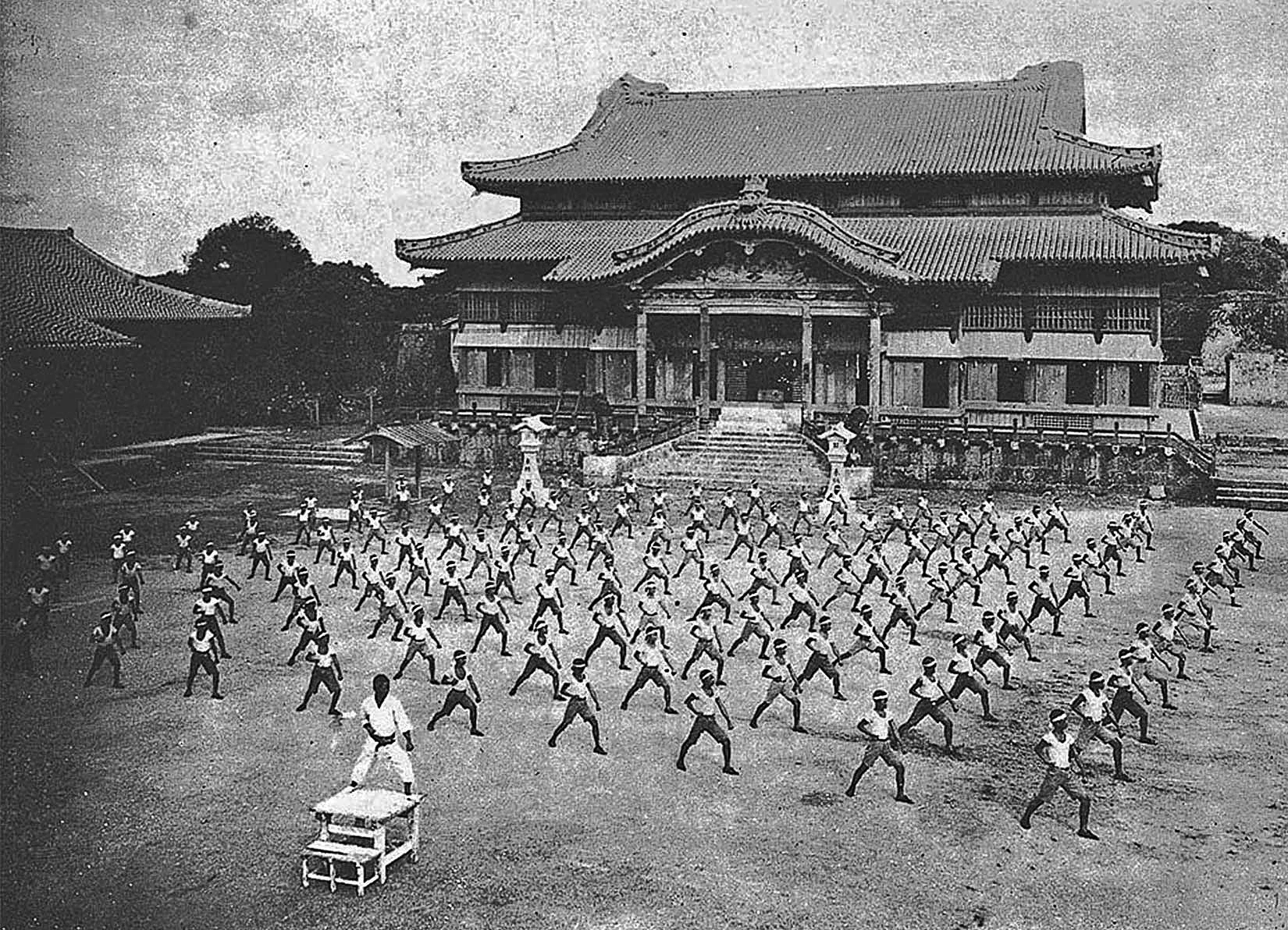
Karate is one of the most popular martial arts in the world, practiced by millions across different countries. But a common question arises among practitioners and enthusiasts: Is karate Japanese or Chinese?
The answer is both simple and historically rich. Karate originated in Okinawa (now part of Japan) but was deeply influenced by Chinese martial arts, especially White Crane Kung Fu. This unique blend created the striking art known today as Karate-Do.
In this in-depth blog, we will explore:
The true origin of karate
How Chinese martial arts shaped Okinawan fighting systems
How karate became Japanese
Major historical influences
Evolution into modern karate styles
Why understanding karate’s roots matters for practitioners
FAQs and expert insights
This article is SEO-optimized, beginner-friendly, and perfect for anyone interested in martial arts history.
1. The True Origin of Karate: Okinawa, Japan


Although Japan is commonly credited for developing karate, the birthplace of karate is the Ryukyu Kingdom, now known as Okinawa, Japan.
Okinawa was a trade hub between China, Japan, Korea, and Southeast Asia, allowing martial arts techniques from multiple cultures to merge.
The Okinawan fighting art was called “Te”, meaning “hand”, and existed long before karate became a formalized martial art.
Three Major Okinawan Regions Influencing Karate
Okinawa’s fighting systems came from three main areas:
Shuri-te
Naha-te
Tomari-te
Each region developed its own techniques but shared influences from Chinese martial arts.
2. Chinese Influence: How Kung Fu Shaped Karate

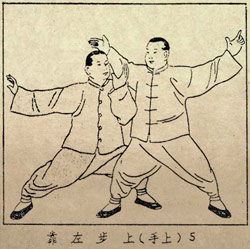

Karate would not exist without Chinese martial arts.
In the 14th–19th centuries, Okinawans learned fighting techniques from Chinese:
Envoys
Merchants
Buddhist monks
Martial arts masters
The most famous Chinese influence came from Fujian White Crane Kung Fu.
Key Chinese Elements That Shaped Karate
Karate adopted several concepts from Chinese systems:
Open-hand blocking
Circular redirections
Vital-point strikes
Breathing methods
Stance training
Early kata (forms)
The kata Sanchin, Seisan, Hakutsuru, and others show clear Chinese roots.
So, while karate is Japanese, its techniques were born from Chinese martial traditions.
3. When Did Karate Become Japanese?
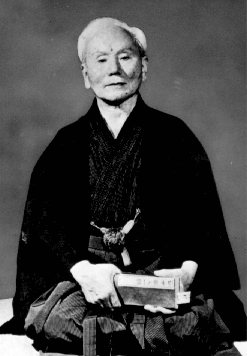

Karate became officially recognized as a Japanese martial art in the early 20th century.
The most influential figure in this transformation was Gichin Funakoshi, founder of Shotokan Karate.
Major Changes After Karate Entered Japan
Japan standardized karate by:
Changing the name from 唐手 (Chinese Hand) to 空手 (Empty Hand)
Modifying stances and techniques
Introducing a belt ranking system
Adapting training for schools and universities
Establishing karate organizations
By the 1930s, karate was fully integrated into Japanese martial culture, joining arts like judo and kendo.
4. Why People Get Confused: Karate vs. Kung Fu
Karate and Chinese Kung Fu share similarities because of their early connection.
But several differences make karate distinctly Japanese:
Japanese Karate Characteristics
Linear, powerful movements
Deep stances
Hard blocks
Focus on speed and impact
Kata with sharp motions
Chinese Kung Fu Characteristics
Circular, flowing movements
Variety of animal-based styles
More soft-hard balance
Complex forms
Greater emphasis on fluidity
Understanding both roots helps practitioners appreciate karate’s evolution.
5. Evolution Into Modern Karate Styles
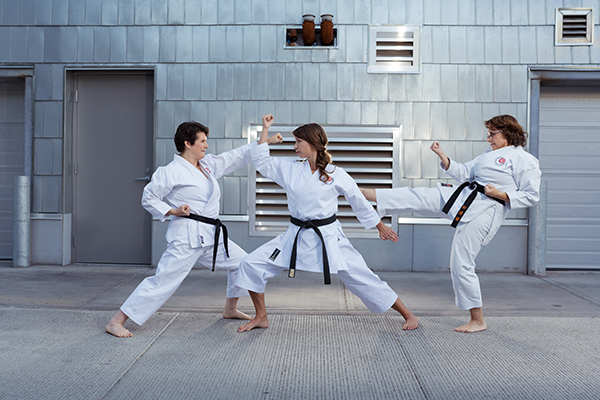
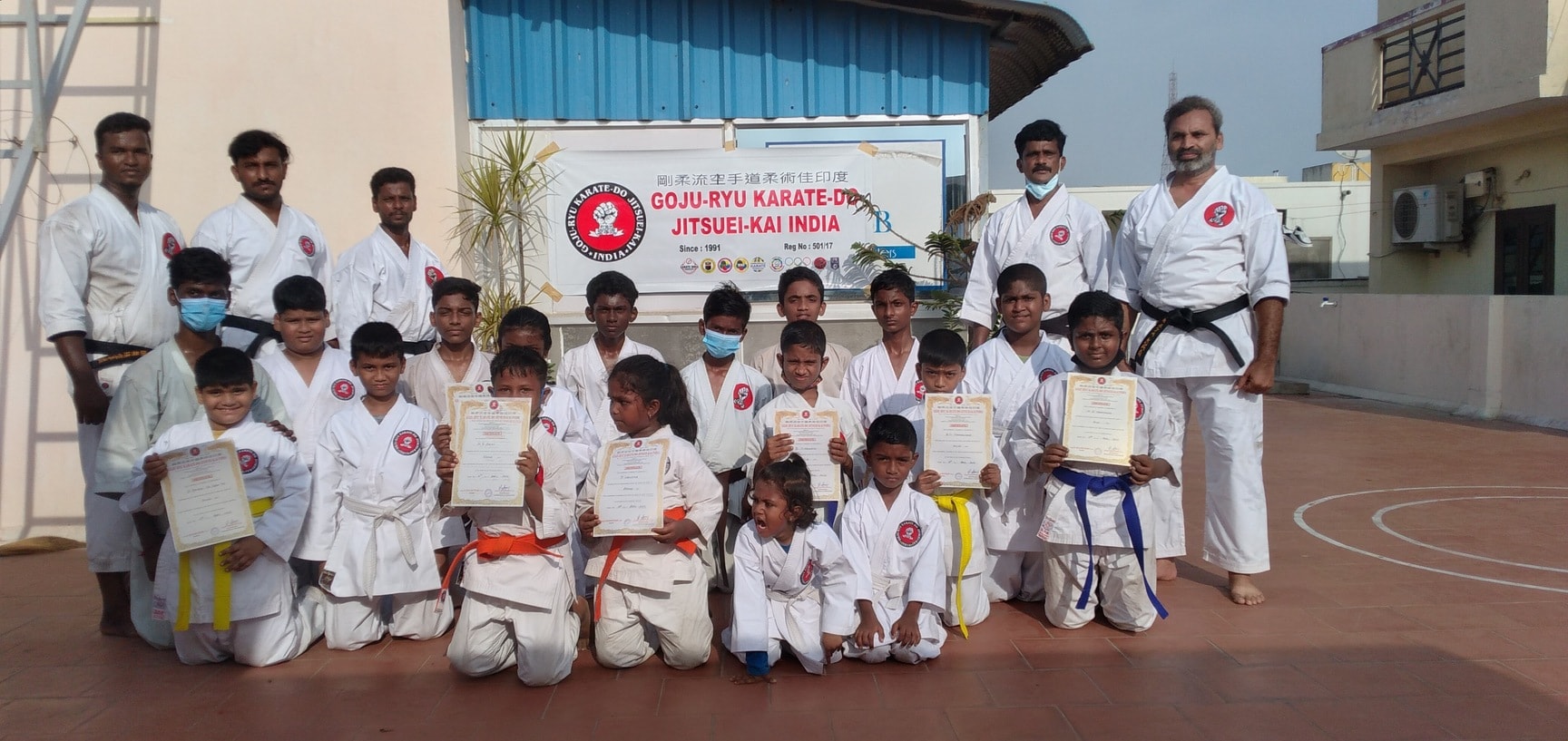


Today, karate is a global martial art with multiple styles, each bearing different influences from Chinese and Japanese systems.
Major Karate Styles
Shotokan – Linear, powerful, long stances
Goju-Ryu – Strong Chinese influence; breathing techniques; circular motions
Shito-Ryu – Large kata collection from both Okinawan and Chinese roots
Wado-Ryu – Blends karate with Japanese jujutsu
Each style reflects karate’s multicultural origins.
6. Karate as a Global Martial Art Today
Karate is now practiced worldwide for:
Self-defense
Fitness and weight loss
Discipline and mental strength
Competition and sport
Personal development
It is also featured in:
Olympics
World Karate Federation (WKF) championships
Traditional karate tournaments
MMA cross-training
Karate’s mix of Japanese discipline and Chinese philosophy gives it universal appeal.
7. Is Karate Japanese or Chinese? (Final Answer)
Karate is a Japanese martial art with Chinese roots.
It began in Okinawa, was shaped by Chinese Kung Fu, and eventually became fully recognized as Japanese when it reached mainland Japan.
8. Why Understanding Karate’s Roots Matters
Knowing the history helps practitioners:
Respect the art
Understand kata meanings
Train with deeper purpose
Improve technique by learning the philosophy behind movement
Connect with centuries of martial culture
When you know where karate comes from, every punch, block, and kick becomes more meaningful.
9. Conclusion

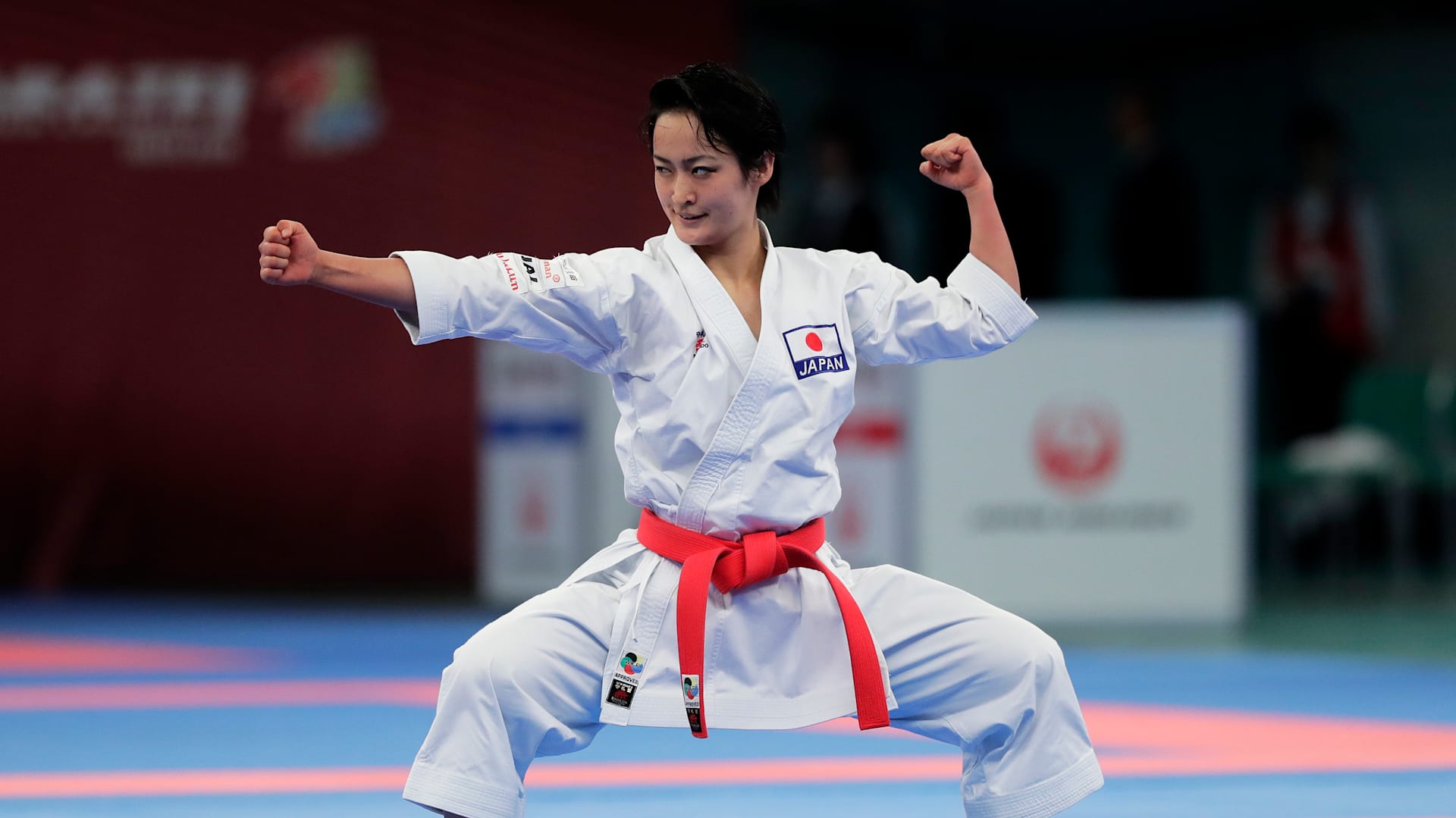

Karate is a bridge between China’s flowing arts and Japan’s disciplined combat systems.
Its development across cultures has made it one of the most respected martial arts in the world.
Whether you train in Shotokan, Goju-Ryu, or any other style, remembering karate’s roots enriches your practice and deepens your connection to this powerful art.


0 Comments
Post a Comment