
Stretching Exercises for Karate: The Ultimate Flexibility Guide for Martial Artists

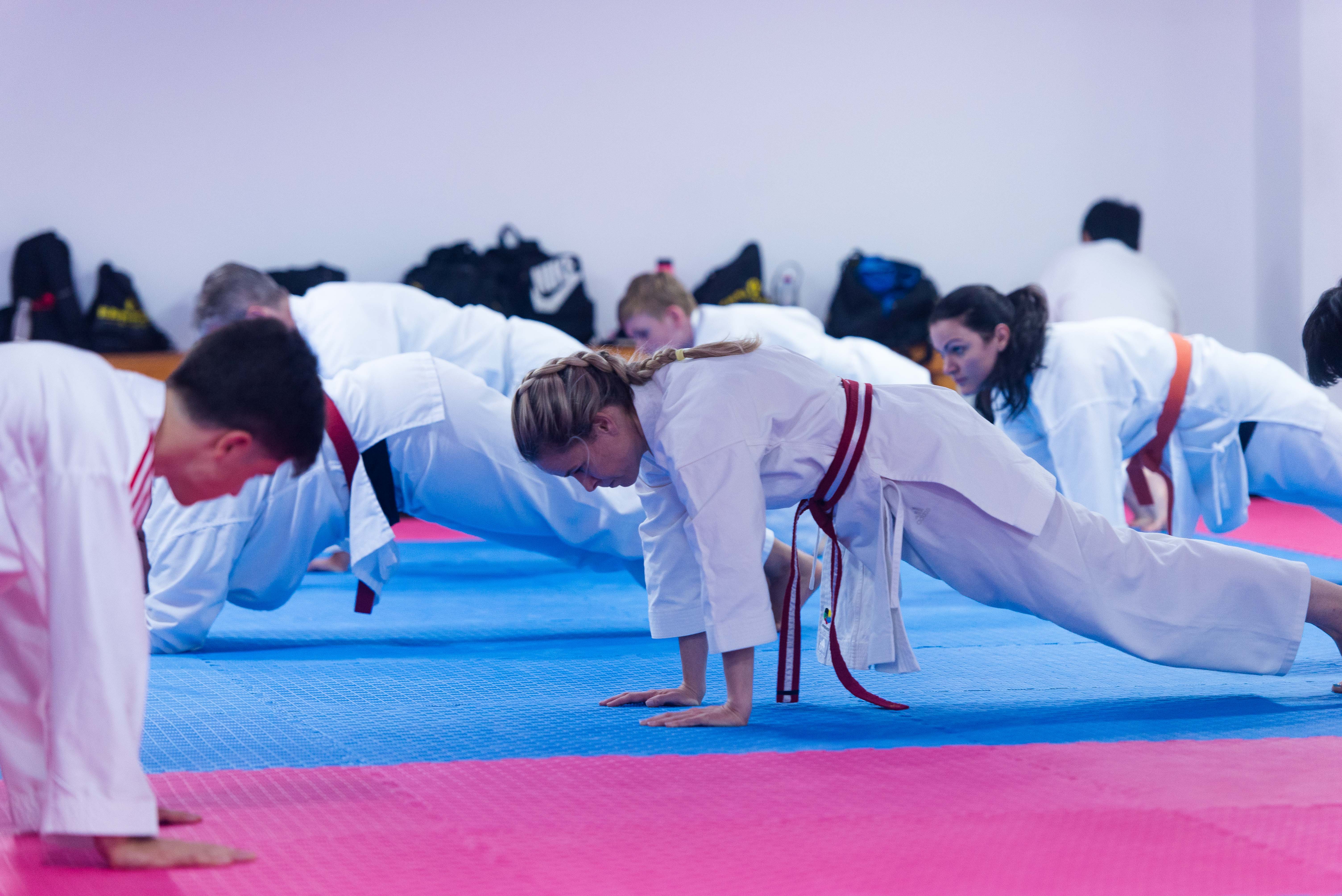

Flexibility is one of the most essential components of karate. Whether you practice Shotokan, Goju-Ryu, Kyokushin, or any other style, your kicks, stances, transitions, and speed all depend heavily on your ability to stretch effectively. Proper stretching not only improves performance—it prevents injuries, enhances mobility, and builds the explosive kicking power karate is known for.
This complete guide covers the best stretching exercises for karate, step-by-step technique breakdowns, benefits, and how to build a structured routine for all levels. Designed with SEO principles, this article is ideal for karate academies, instructors, and students aiming to maximize flexibility and performance.
Why Stretching Matters in Karate
Karate requires a high level of flexibility for:
High kicks such as Mawashi-geri, Yoko-geri, Ura-mawashi-geri
Deep, stable stances like Zenkutsu-dachi, Kiba-dachi, Fudo-dachi
Fast transitions during kata
Hip mobility for snapping kicks
Explosive power generation
Injury prevention during sparring (kumite)
A well-designed stretching routine improves:
Range of motion
Balance and stability
Posture and kicking form
Speed and agility
Muscle endurance
Joint health
Types of Stretching in Karate
Understanding which type of stretch to use—and when—is essential.
1. Dynamic Stretching (Before Training)
Movements that warm muscles while increasing mobility.
Examples: leg swings, hip rotations, dynamic hamstrings.
2. Static Stretching (After Training)
Holding a position for 20–40 seconds to lengthen muscles.
Examples: splits, seated forward bends, butterfly stretch.
3. Active Stretching
Using your muscles (not your hands) to stretch the body.
Examples: slow controlled kicks.
4. Passive Stretching
Using support like arms, partner, or gravity.
Examples: seated straddle stretch, partner-assisted leg stretch.
5. PNF Stretching (Advanced)
Contract–relax technique for maximum flexibility.
Mostly used by advanced martial artists.
Full Karate Stretching Routine (Step-by-Step)

Below is a complete stretching sequence suitable for kids, adults, beginners, and black belts.
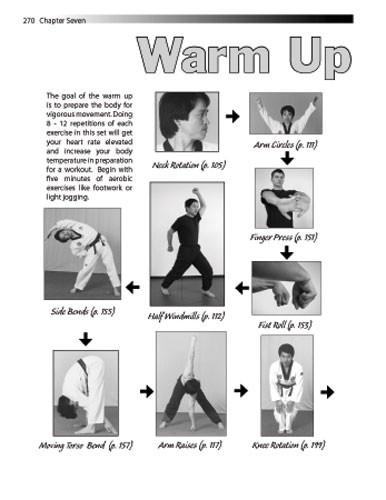
1. Dynamic Stretching (Pre-Training) — 7 to 10 Minutes
1. Leg Swings
10–12 reps each leg
Front swings
Side swings
Backward extensions
Benefits: prepares hips for high kicks, improves joint fluidity.
2. Hip Rotation Circles
15–20 seconds each direction
Improves hip mobility and reduces stiffness during roundhouse kicks.
3. Knee Raises (High Knees)
30–45 seconds
Great for improving kick chamber position and overall agility.
4. Dynamic Hamstring Stretch
Walk with straight legs, reaching toward toes.
Focus: kicking height, hamstring flexibility.
5. Dynamic Quad Stretch
Grab ankle behind, pull the heel toward glutes, step forward.
Improves stability and kicking posture.
2. Static Stretching (Post-Training) — 12 to 15 Minutes

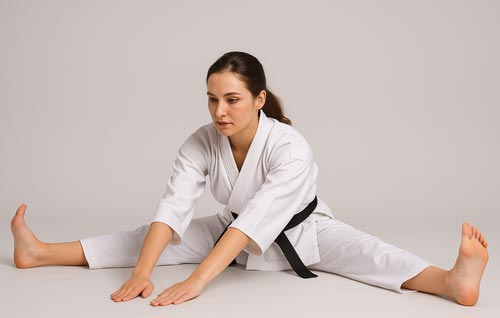
Once the body is warm, static stretches maximize flexibility.
1. Seated Forward Bend (Hamstring Stretch)
Hold: 20–40 seconds
Benefits: improves height for Mai-geri and Yoko-geri.
2. Butterfly Stretch (Groin Stretch)
Hold: 30 seconds
Important for deep stances and side kicks.
3. Seated Side Stretch (Straddle Stretch)
Hold: 20–30 seconds each side
Increases range for side kicks and improves side split ability.
4. Hip Flexor Stretch (Lunge Stretch)
Hold: 30 seconds each side
Improves kata stance transitions and kick extension.
5. Standing Quad Stretch
Hold: 30 seconds
Helps develop balance and knee stability.
6. Glute Stretch (Figure 4 Stretch)
Hold: 20–30 seconds
Improves hip rotation speed and stability during turns.
3. Advanced Karate Stretches (For Intermediate & Black Belts)
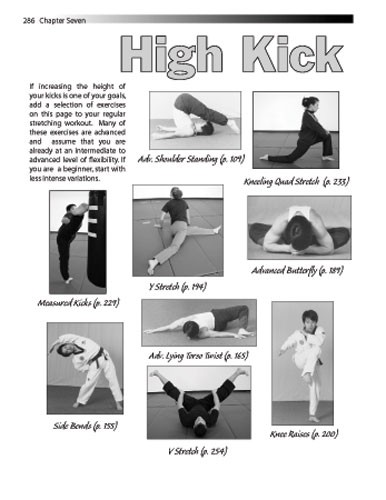
These exercises help achieve higher kicks, full splits, and enhanced mobility.
1. Side Split / Middle Split
Hold: 30–60 seconds
Do not force the split—relax into it gradually.
2. Front Split
Hold: 30–45 seconds
Improves power in Mae-geri and flexibility for axe kicks.
3. PNF Hamstring Stretch
Contract 5 seconds → Relax 10 seconds → Stretch deeper
Repeat 3 times.
4. Wall-Assisted Leg Hold
Lift leg sideways and rest against wall.
Hold: 30–45 seconds per leg
Builds kicking endurance and height.
5. Slow Controlled Kicks
Perform:
Slow Mae-geri
Slow Mawashi-geri
Slow Yoko-geri
8–10 reps each
Purpose: enhance control, technique, and flexibility.
Stretching for Better Karate Kicks
1. For Mae-Geri (Front Kick)
Hamstring stretch
Hip flexor lunge
Dynamic high knees
2. For Mawashi-Geri (Roundhouse Kick)
Hip rotation drills
Side leg swings
Figure 4 glute stretch
3. For Yoko-Geri (Side Kick)
Middle split stretch
Inner-thigh (adductor) stretch
Wall lateral leg raises
4. For Ura-Mawashi / Hook Kick
Hamstring lengthening
Hip mobility circles
Controlled slow kicks
These combinations directly increase kicking speed, height, and control.
Stretching Benefits for Karate Practitioners
1. Higher & More Powerful Kicks
Flexible muscles generate greater amplitude and snap.
2. Improved Stances
Longer muscles allow deeper, stronger Kiba-dachi, Zenkutsu-dachi, and Kokutsu-dachi.
3. Faster Movement
Flexible joints move smoothly, improving speed in kata and kumite.
4. Better Hip Rotation
Essential for effective punches, blocks, and kicks.
5. Reduced Injury Risk
Flexibility protects:
Hip joints
Hamstrings
Lower back
Groin
Knees
6. Enhanced Balance & Coordination
Stretches improve body awareness and stability.
Common Stretching Mistakes in Karate
Avoid these to prevent injuries and maximize results:
Stretching cold muscles (always warm up first)
Forcing the splits
Bouncing during static stretching
Holding breath
Rushing through mobility work
Doing static stretches before training
Proper form and timing matter more than intensity.
How Often Should Karate Students Stretch?
To build real flexibility:
| Level | Recommended Frequency |
|---|---|
| Beginners | 3–4 times/week |
| Intermediate | 4–5 times/week |
| Black Belts | Daily short sessions + long stretch 3 days/week |
Consistency is the key—not overtraining.
Karate Stretching Routine for Kids
Kids respond better to fun, playful stretching:
Butterfly stretch
Toe-touch challenge
Side stretch with counting
Leg swings like “kicking the air balloon”
Light frog stretches
This keeps them flexible without causing discomfort.
Karate Flexibility FAQ
1. How long does it take to get flexible for high kicks?
4–8 weeks of consistent training for visible improvement.
2. Should I stretch before or after karate?
Dynamic → Before
Static → After
3. Are splits necessary for karate?
Not mandatory, but extremely helpful for strong side and round kicks.
4. How do I avoid stretching injuries?
Warm up, stretch gently, never bounce, and progress slowly.
Conclusion
Stretching is an essential part of karate training, not an optional extra. Whether you’re mastering kicks, deepening your stances, or improving your kata flow, proper flexibility gives you the control, speed, and precision that define true martial arts skill.
An effective stretching routine:
Enhances performance
Prevents injuries
Builds powerful kicks
Improves posture and balance
Increases endurance
Follow the structured routine above and stay consistent—you’ll see dramatic improvements in your technique and overall karate ability.


0 Comments
Post a Comment