
Is Karate Japanese or Chinese? The Complete History, Origin & Evolution Explained
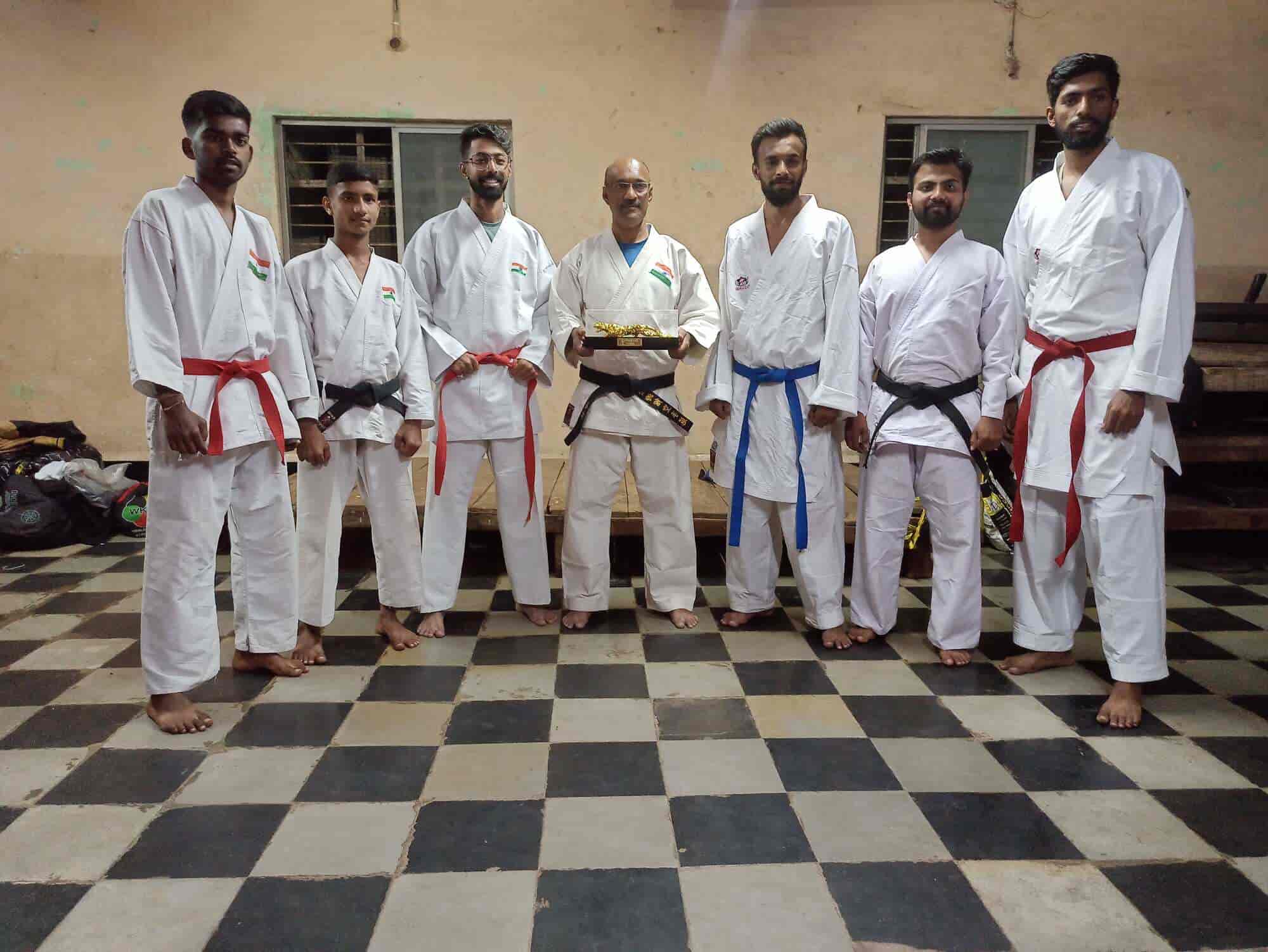

Karate is one of the world’s most widely practiced martial arts, known for its precise strikes, disciplined training methods, and deep cultural roots. Yet one question often confuses students and enthusiasts: Is karate Japanese or Chinese?
The short answer—Karate is Japanese, but it was heavily influenced by Chinese martial arts, particularly those from Fujian province.
To truly understand karate’s identity, you must explore the cultural, political, and martial exchanges between Okinawa, China, and Japan.
This detailed blog breaks down:
The true origin of karate
The Chinese influence on Okinawan fighting arts
How karate became a Japanese martial art
Key historical figures who shaped modern karate
Differences between karate and kung fu
Modern karate styles and global impact
Let’s explore the full story behind karate’s roots.
1. Where Did Karate Really Begin? The True Origin: Okinawa
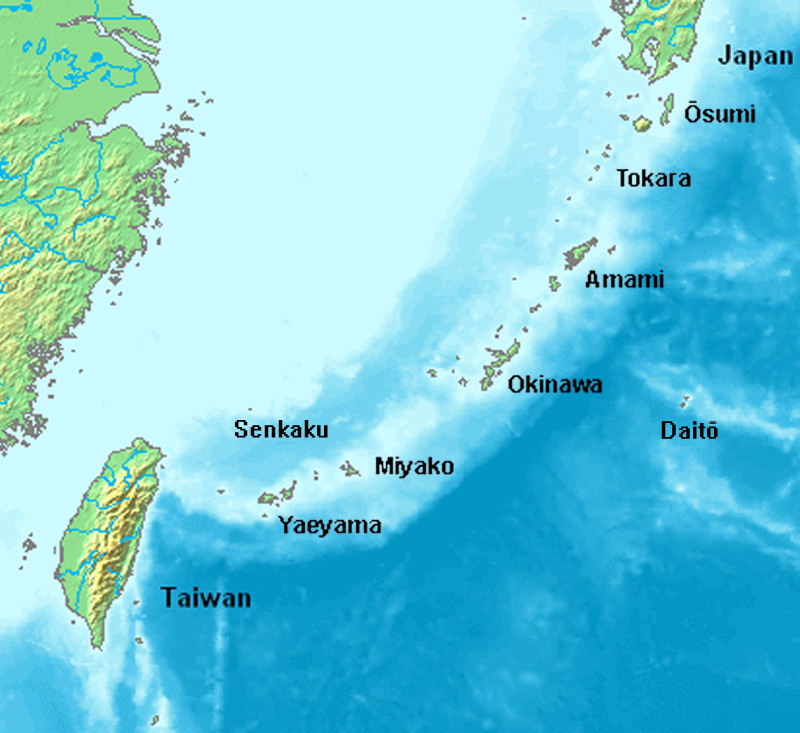
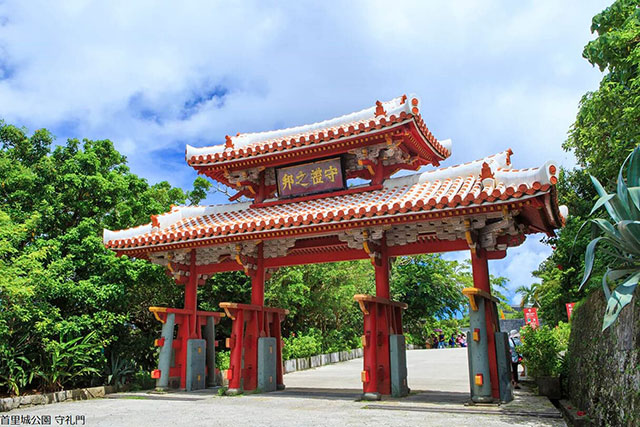

Karate originated in the Ryukyu Kingdom, now part of modern-day Okinawa, Japan.
Okinawa served as a major trading port connecting:
China
Japan
Southeast Asia
Korea
Because of this, Okinawans were exposed to various martial systems, both local and foreign.
The fighting tradition in Okinawa before karate was known as:
“Te” (手) – The Native Fighting Art of Okinawa
This early form of combat was simple, practical, and used for real-life defense. It later evolved through Chinese influence.
Okinawan martial arts were categorized into three main regions:
Shuri-te
Naha-te
Tomari-te
These regional styles later influenced the development of modern karate systems.
2. The Chinese Influence on Karate


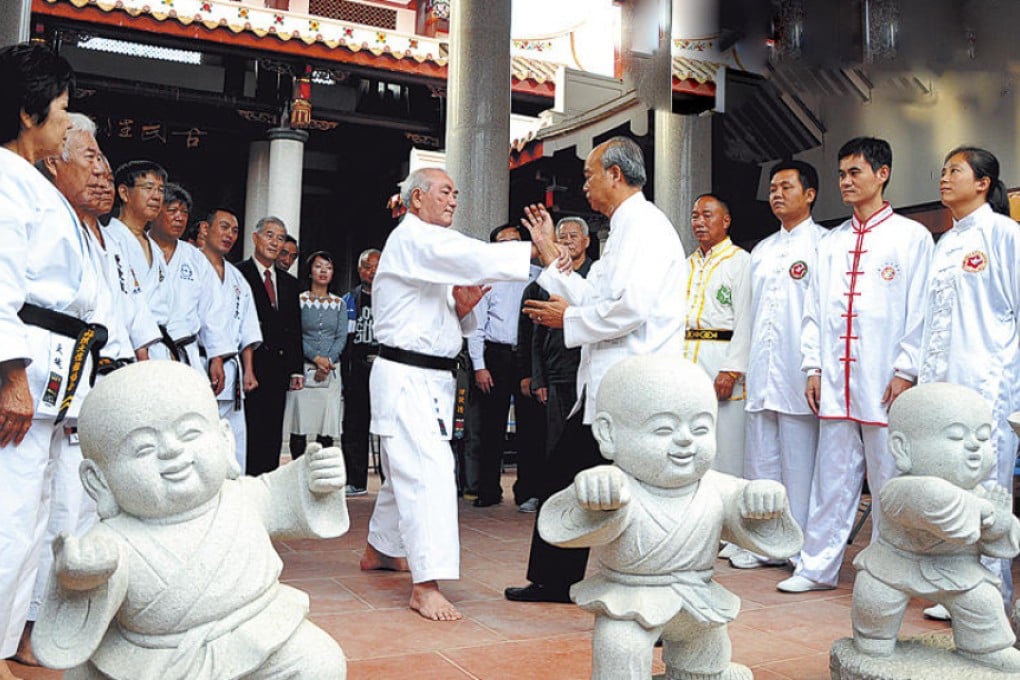
Although karate is Japanese today, its technical roots are deeply connected to Chinese martial arts.
During the 14th–19th centuries, Okinawan officials, students, and monks regularly traveled to Fujian, China.
There, they learned:
White Crane Kung Fu
Southern Shaolin techniques
Qigong and breathing methods
Open-hand combat systems
These techniques blended with Okinawan “Te,” creating a hybrid system that would eventually become karate.
Techniques Borrowed from Chinese Martial Arts
Circular blocks
Soft-hard combinations
Vital-point striking
Tiger, crane, and dragon principles
Breathing patterns seen in Sanchin kata
Early kata movements
The famous kata Seisan, Sanchin, Suparinpei, and Hakutsuru have strong Chinese origins.
3. The Transformation: When Karate Became Japanese
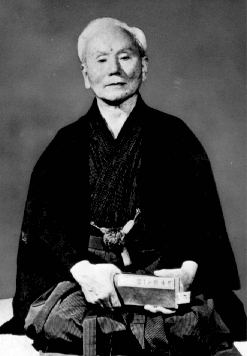


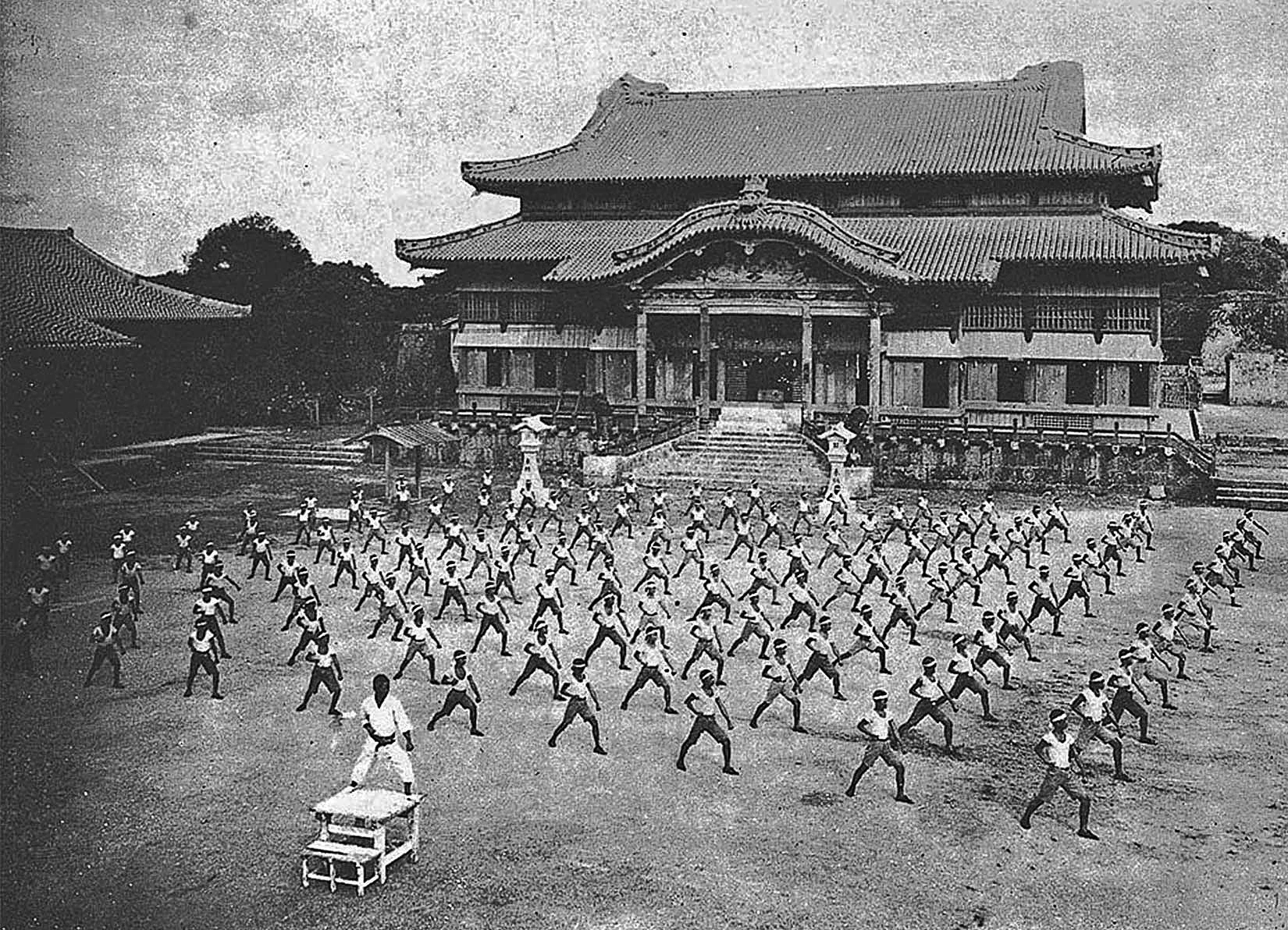
Karate officially became a Japanese martial art in the early 20th century.
The key figure behind this transformation was Gichin Funakoshi, the founder of Shotokan Karate.
He introduced karate to mainland Japan in 1922 during a physical education event.
Major Changes After Karate Entered Japan
Japan standardized karate by:
Changing the name from 唐手 (Chinese Hand) to 空手 (Empty Hand)
Revising stances for Japanese martial efficiency
Introducing the colored belt ranking system
Establishing university karate clubs
Adding etiquette and discipline aligned with Japanese Bushido
Creating formal organizations like JKA (Japan Karate Association)
This shift officially placed karate under Japan’s martial arts umbrella.
4. Why People Think Karate Might Be Chinese
Karate shares similarities with Chinese Kung Fu because of early cross-cultural exchange. Both systems have:
Kata/forms
Hand strikes
Stances
Philosophical roots
Animal-influenced movements
Breathing techniques
But karate evolved into a hard, linear Japanese martial art, separating it from the more circular and fluid Chinese styles.
5. Karate vs. Kung Fu: Key Differences
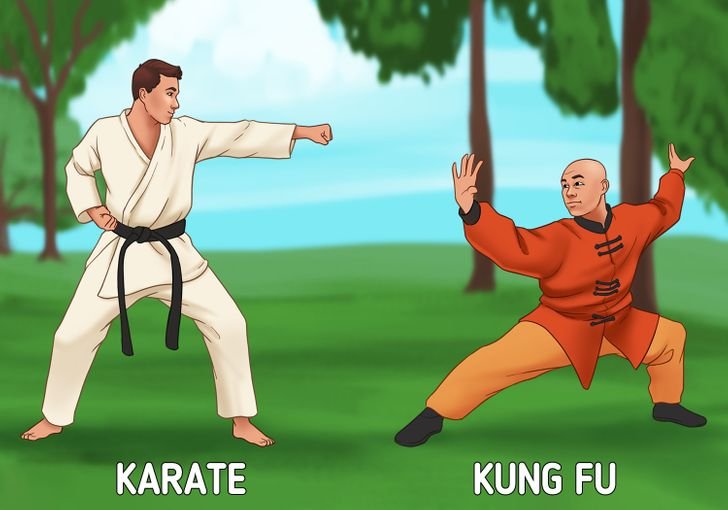


Karate (Japanese)
Hard, straight-line attacks
Sharp, explosive movements
Deep stances
Emphasis on speed and power
“One strike, one finish” principle
Kata are crisp and angular
Kung Fu (Chinese)
Circular, flowing techniques
Variety of styles (animal forms, internal arts, etc.)
Soft-hard blending
High mobility and fluidity
Complex hand patterns
More interpretive forms
This is why karate feels different from kung fu, despite shared ancestry.
6. Modern Karate Styles and Their Cultural Roots
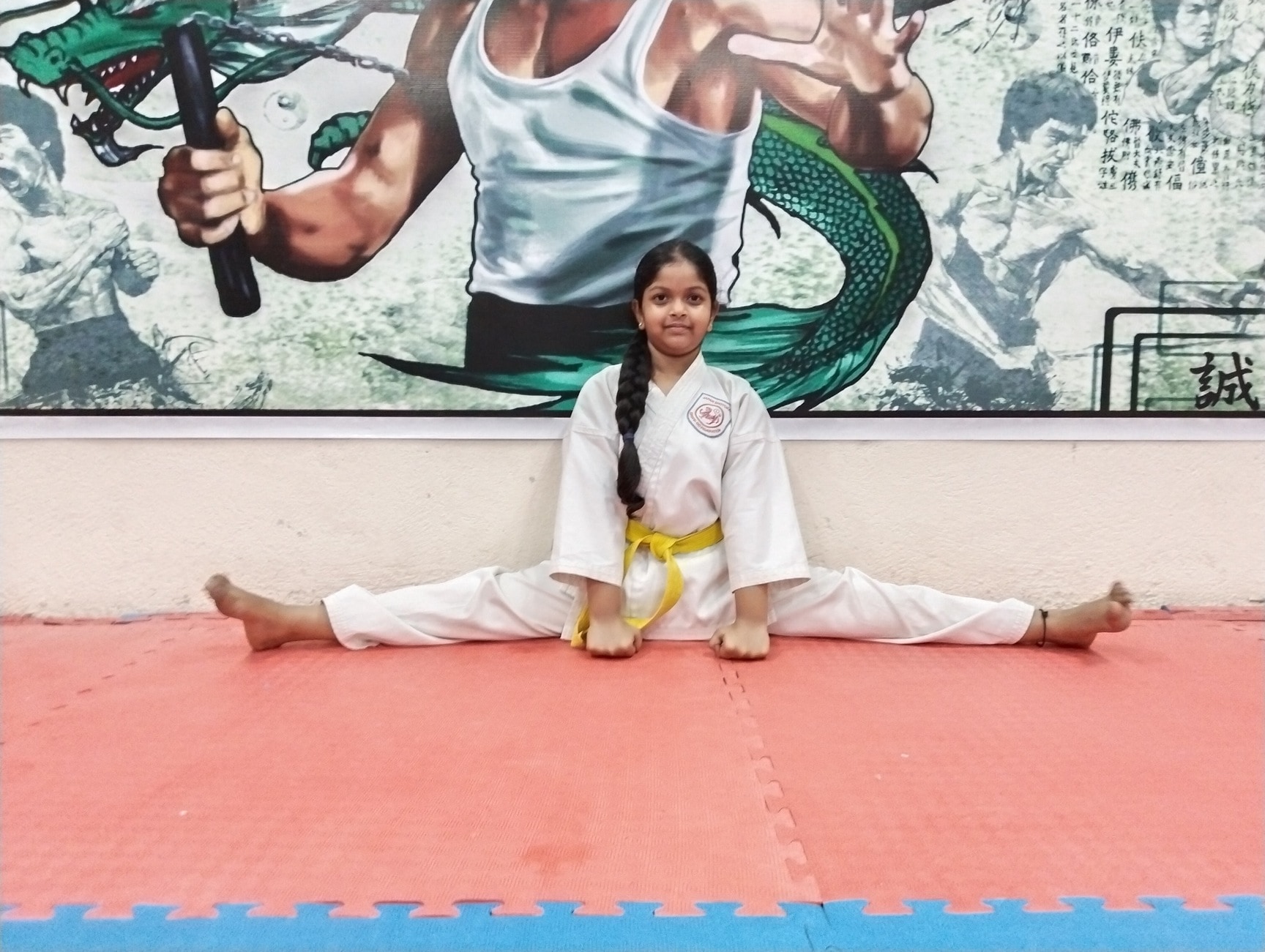
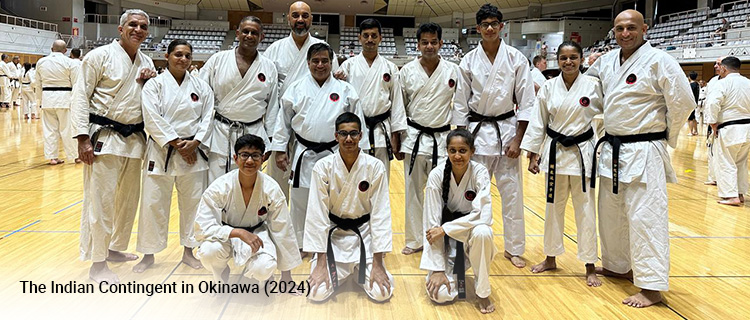


Today, karate has evolved into multiple styles. Each contains elements of both Japanese structure and Chinese influence.
1. Shotokan Karate (Japan)
Strong, long stances
Linear power techniques
Highly disciplined and explosive
Founded by Gichin Funakoshi
2. Goju-Ryu Karate (Okinawa/China Influence)
Soft-hard combination (Go = hard, Ju = soft)
Breathing-based techniques
Circular, Chinese-inspired movements
Founded by Chojun Miyagi
3. Shito-Ryu Karate
A mix of Shuri-te, Naha-te, and Chinese elements
Large kata curriculum
4. Wado-Ryu Karate
Blended with Japanese jujutsu
Faster and more fluid
This diversity shows karate’s rich multicultural roots.
7. Karate in the Modern World
Karate is now practiced globally for:
Self-defense
Fitness and weight loss
Mental discipline
Sport and competition
Character development
Martial arts education
It is part of the Olympics, WKF championships, and countless dojos worldwide.
Karate’s blend of Japanese discipline and Chinese tactical influence makes it powerful, effective, and globally respected.
8. Final Answer: Is Karate Japanese or Chinese?
Karate is a Japanese martial art born in Okinawa—but heavily shaped by Chinese martial arts.
Its identity is therefore:
Japanese by formal recognition and modern structure
Okinawan by birthplace
Chinese by original technical influence
This unique combination is what makes karate rich in culture, tradition, and effectiveness.
Conclusion


Karate’s history is a beautiful fusion of cultures.
While it officially belongs to Japan today, its roots trace deeply into Chinese martial arts and Okinawan traditions. Understanding this history enriches your training, deepens respect for the art, and enhances your journey as a martial artist.


0 Comments
Post a Comment